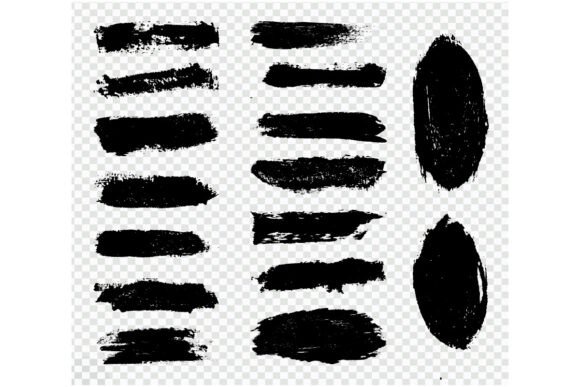
Ink Brush Strokes, Black Paint, and Brushes: A Designer's Guide
In the realm of graphic design and creative expression, few elements carry as much weight and history as the humble brush. The dynamic interplay of Ink Brush Strokes, rich Black Paint, and the texture of traditional Brushes creates a visual language that speaks to both ancient tradition and modern innovation. For creators, business owners, and everyday enthusiasts looking to add character to their projects, understanding how to leverage these tools is essential. This guide explores the versatility of these artistic assets, moving beyond simple decoration to examine how they can transform ordinary items into statement pieces.
The Artistic Power of Black Ink and Texture
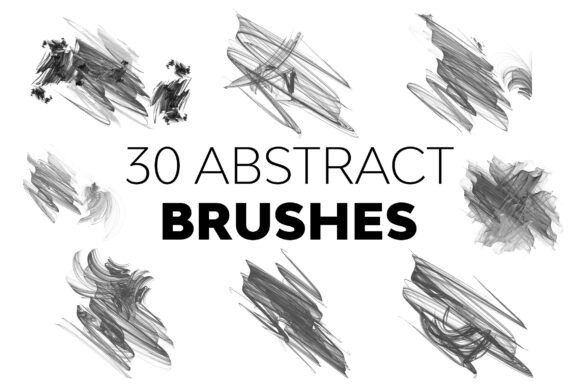
At its core, the appeal of Ink Brush Strokes lies in their unpredictability and organic nature. Unlike the rigid perfection of vector lines generated by software, a stroke created with real or simulated Black Paint carries the memory of the artist's hand. It captures the speed, pressure, and hesitation of the moment it was made. When you incorporate Brushes that mimic this behavior, you are not just adding a line; you are injecting energy and emotion into your design.
This aesthetic is particularly powerful because it contrasts sharply with the clean, digital environments we navigate daily. Whether applied to a sleek corporate brochure or a casual t-shirt, the raw texture of black ink provides a grounding element. It suggests authenticity. In a world saturated with polished, airbrushed imagery, the grit and grain of a genuine brushstroke stand out, demanding attention and conveying a sense of craftsmanship.
Understanding the Components
To effectively use these designs, one must appreciate the specific characteristics of each component:
- Ink Brush Strokes: These vary from fine, calligraphic lines to broad, sweeping washes. They define the flow and direction of a composition.
- Black Paint: As a color, black offers maximum contrast against almost any background. It is bold, authoritative, and versatile, serving as the perfect canvas for white text or other vibrant accents.
- Brushes: The tool itself dictates the outcome. A dry brush creates a scratchy, textured effect, while a wet brush yields smooth gradients and bleeding edges.
Practical Applications Across Industries
The utility of high-quality Ink Brush Strokes extends far beyond the digital screen. Because these designs are available in professional formats like Photoshop PSD Editable files and PNG transparent 300 DPI RGB images, they are ready for immediate application in diverse physical products. Here is how different sectors can benefit from integrating these elements into their workflows.
Fashion and Apparel Design
For those designing clothing, Black Paint strokes offer a timeless aesthetic. On shirts and hoodies, a large, abstract brushstroke can serve as the central graphic, instantly creating an urban or streetwear vibe. The transparency of the PNG format ensures that the design sits perfectly on fabric textures without a distracting white box around it. Similarly, on hats, smaller, more intricate Brushes can be used to create subtle branding or edgy accents that align with current fashion trends. The ease of use means designers can quickly mock up concepts and send them to print-on-demand services.
Home Decor and Lifestyle Products
Bringing art into the home has never been easier. Applying Ink Brush Strokes to pillows and mugs transforms functional objects into decorative art. Imagine a ceramic mug featuring a single, dramatic sweep of Black Paint; it becomes a conversation starter at breakfast. For pillows, layering multiple brushstrokes in varying opacities can create depth and dimension, adding a touch of modern minimalism to a living room. The high resolution (300 DPI) ensures that even when printed on curved surfaces like cups, the details remain crisp and clear.
Marketing and Stationery
In the business world, standing out is crucial. Brochures, flyers, and thank you cards often suffer from a generic look. Introducing organic Brushes can break this monotony. A flyer for an art gallery or a coffee shop might use a background of faded ink strokes to set a mood before presenting the text. Greetings cards can feature elegant calligraphy-style strokes to convey warmth and personal care. Because the files come in Photoshop PSD Editable formats, marketing teams can easily adjust the size, rotation, and opacity of the strokes to fit their specific layout needs without losing quality.
Evaluating Suitability for Your Project
While the versatility of these designs is immense, they are not a one-size-fits-all solution. Before integrating Ink Brush Strokes into your workflow, consider the following factors to ensure they meet your project goals.
- Brand Alignment: Does the raw, artistic feel of Black Paint match your brand identity? While it works well for creative agencies, lifestyle brands, and artists, it may clash with industries requiring sterile precision, such as medical or legal services.
- Print Quality Requirements: Ensure you are using the correct file type. For large-format printing like banners or billboards, the 300 DPI PNG or high-resolution PSD is non-negotiable. Using low-resolution web versions will result in pixelation and a loss of the delicate texture that makes these brushes valuable.
- Color Context: Remember that Black Paint is dominant. If your design already features heavy dark elements, adding more black ink might make the composition feel cluttered. Use these strokes strategically to highlight, not overwhelm.
Technical Considerations and Limitations
One of the primary strengths of the provided design package is the inclusion of Photoshop PSD Editable layers. This allows for significant customization. You can isolate specific parts of a stroke, change the blending modes, or combine multiple Brushes to create a unique signature style. However, users should be aware that while the PSD files offer flexibility, they require access to compatible software. If you only have basic image editors, the PNG transparent files are your best option, though they lack the granular control of layered documents.
Furthermore, while Ink Brush Strokes are designed to look authentic, they are still digital assets. They do not possess the actual tactile variation of real ink on paper. In some cases, for ultra-high-end luxury packaging, a designer might need to physically paint the artwork to capture true imperfections. For most commercial applications, however, the digital simulation is indistinguishable from reality at standard viewing distances.
Real-World Scenarios: From Concept to Creation
Consider a small business owner launching a new line of eco-friendly candles. They want packaging that feels handmade and natural. By downloading the Ink Brush Strokes and applying them to the label design, they can achieve a rustic, artisanal look without hiring a painter. The Black Paint strokes can frame the product name, giving it a sophisticated edge. The transparent PNGs allow them to place the design over a photo of the candle jar seamlessly.
Alternatively, imagine a wedding planner creating thank you cards for guests. Instead of standard floral patterns, they choose a set of delicate Brushes to create a border that feels personal and handwritten. The ability to edit the PSD file allows them to adjust the thickness of the lines to match the font size of the message, ensuring a harmonious balance between text and art.
Conclusion: Embracing the Organic in Digital Design
The integration of Ink Brush Strokes, Black Paint, and Brushes into modern design workflows represents a bridge between the analog past and the digital future. These tools empower creators to infuse their work with soul and character, whether they are dressing a hoodie, wrapping a gift, or promoting a business. With the convenience of editable PSD files and high-quality PNGs, the barrier to entry is lower than ever, allowing anyone to access professional-grade artistic assets.
By understanding the nuances of these designs and evaluating their suitability for specific contexts, you can elevate your projects from the mundane to the memorable. The next time you face a blank canvas—digital or physical—remember that a single, confident stroke of black ink can say more than words alone ever could.